Travel
Staycation Ideas for a Relaxing Break Close to Home

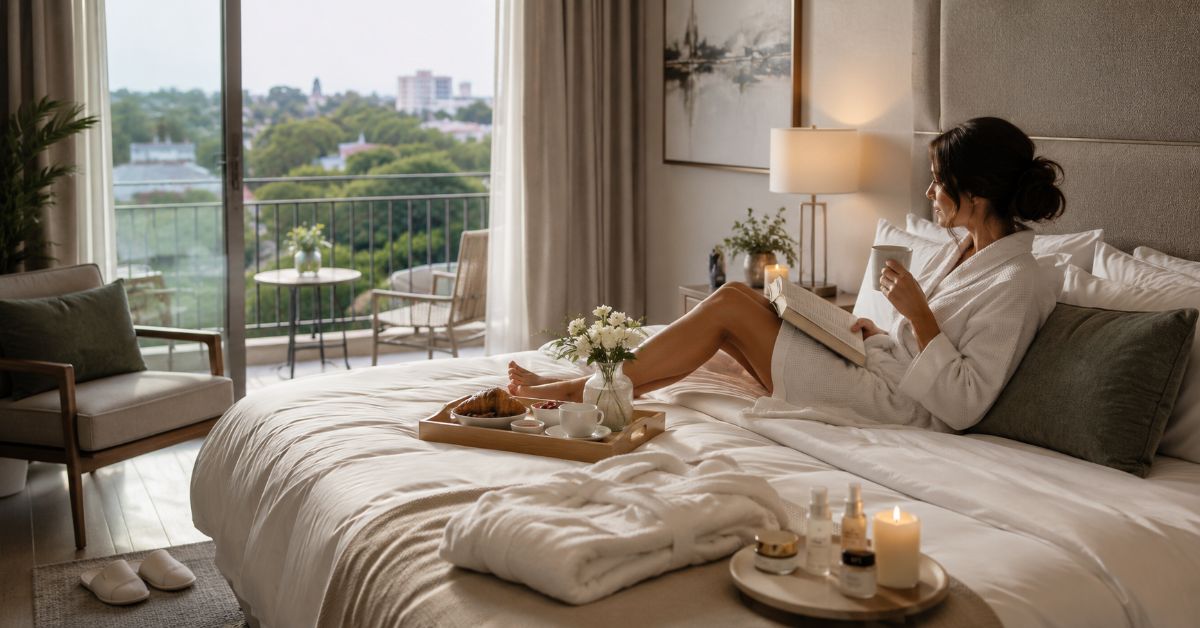
A good staycation can feel surprisingly different from ordinary time at home, but only if you design it that way. I treat staycation ideas as miniature trips: the goal is not simply to avoid travel, but to create enough novelty, structure, and permission to switch off that your usual routine stops running the day.
If you are searching for staycation ideas, the simplest answer is to combine one change of setting, one memorable activity, and one deliberate comfort upgrade. That could mean checking into a nearby hotel and booking a late dinner, turning your home into a private spa for a day, exploring a part of your city you usually ignore, or planning a themed weekend around food, nature, culture, or complete rest. The best choice depends less on distance and more on what you want your time off to do for you.
A staycation is a break taken close to home, often in your own city, region, or house, with the same intention you would bring to a short trip: stepping away from work, chores, and familiar routines. The strongest staycations create contrast. If weekdays are noisy, make the break quiet. If you spend most of your time indoors, build the plan around parks, water, or walking. If your calendar is overpacked, do not turn two days off into an obstacle course of reservations.
The practical advantage is control. You can decide how much to spend, how far to go, whether to sleep at home, and how much structure feels restorative. This guide organizes options by mood, budget, time, and effort so you can choose a staycation that actually feels like a break rather than a weekend with better snacks.
The best staycation ideas create a clear break from normal life without requiring a long journey. Pick one anchor experience, add one comfort upgrade, and protect enough unscheduled time to rest, wander, or connect; that simple structure works for home retreats, local hotel nights, city days, nature escapes, couples’ breaks, family weekends, and solo time off.
What counts as a staycation?
A staycation is intentional leisure time spent at home or close enough to home that the trip does not require a major travel day. The important word is intentional. Simply staying home because nothing was planned is a weekend; a staycation has boundaries, a change in routine, and at least one experience you chose in advance.
That definition leaves plenty of room. You might sleep in your own bed and spend the day exploring locally. You might book one night at a hotel across town. You might use a nearby cabin, beach, countryside property, or resort as a change of scenery without building the break around long-distance transport. The format matters less than the psychological separation from ordinary life.
A useful test is this: if you can name the start time, the end time, and what makes the period different from a normal day off, you have probably designed a real staycation.
How do you choose the right staycation idea?
Start with the outcome you want, not the activity list. A tired person and a bored person may both search for staycation ideas, but they need different plans. One needs fewer decisions and more comfort; the other needs novelty and movement.
Use three filters: energy, budget, and available time. Energy tells you whether to rest or explore. Budget decides whether your change of setting comes from a hotel, a paid experience, a special meal, or simply a more intentional use of home. Time keeps the plan realistic.
The table below works as a quick matching tool. Pick the row that best describes how you want to feel at the end of the break.
Use this comparison to match the staycation format to the result you want.
| What you want | Best format | Time window | Spend priority | What to avoid |
| Deep rest | Home retreat or spa day | 6-24 hours | Food, comfort, sleep | Overplanning |
| Novelty | Local city route | 6-12 hours | One ticketed experience | Long transit |
| Connection | Couple or family day | 8-24 hours | Shared meal or activity | Phone distraction |
| Activity | Nature or skill day | 4-10 hours | Access, gear, transport | Multiple demanding stops |
| Indulgence | Hotel night or dining break | 18-30 hours | Room, meal, spa | Unused amenities |
If you want deep rest
Choose a low-decision plan. Set a clear out-of-office boundary, prepare food in advance or order one meal you genuinely look forward to, silence nonessential notifications, and build the day around sleep, reading, bathing, stretching, films, or time outside. The mistake is adding so many “relaxing” activities that the schedule becomes work.
If you want novelty
Create contrast by visiting places you normally pass without entering. Choose a neighborhood, market, gallery, botanical garden, waterfront, historic district, viewpoint, or local tour and treat it as if you had arrived from another city. Research opening hours, reserve one anchor experience, and leave enough unplanned time to wander.
If you want connection
Plan around shared attention rather than constant entertainment. A couple might combine a slow breakfast, one activity, and a screen-free dinner. A family might choose a scavenger hunt, picnic, and movie night. Friends might build a themed food route or game night. One strong shared memory is more valuable than six rushed bookings.
What are the best staycation ideas at home?
Home-based staycations work best when you temporarily change the rules of the house. Chores, work messages, routine errands, and “while I am here” projects can quickly erase the feeling of a break. Before the staycation starts, reset the space, finish essential tasks, and decide what is off-limits until the break ends.
Create a hotel-at-home night
Make the bedroom feel separate from everyday life. Put on clean bedding, clear visible clutter, set out water and snacks, dim the lighting, and move chargers or work devices away from the bed. Add a simple room-service rule: one favorite meal or dessert arrives without cooking and without cleanup during the evening. The point is not to imitate luxury perfectly; it is to remove ordinary friction.
Build a one-day home spa
A home spa day is easier to enjoy when it has an order. Start with a shower or bath, then use a face or hair treatment you already know suits you, take a long break with tea or fruit, and finish with comfortable clothing, quiet music, and a low-effort meal. Avoid trying unfamiliar products right before an event or making health claims around treatments. This is about comfort, not medical benefit.
Run a private film festival
Pick a theme instead of scrolling for hours. Choose three films connected by a director, decade, country, genre, or series, then plan food that fits the theme. A three-film schedule with breaks can fill roughly six to eight hours depending on runtime. Print or write a tiny “program” with start times so the day feels like an event rather than background television.
Turn dinner into the destination
Choose a meal you would normally reserve for going out and make it the centerpiece. You can cook one ambitious dish, order from a restaurant you have been saving, or create a tasting menu from several small dishes. Set the table before the staycation begins, put away routine clutter, and choose a defined start time. Ceremony changes how familiar spaces feel.
Take a digital reset day
A digital reset does not require disappearing from the world. Decide which functions remain available, such as calls from family, maps, music, or a camera, and block the rest for a fixed window. Even a six-hour reset can create a noticeable change in pace because you stop switching between leisure and incoming demands. Replace the empty screen time with something specific: a walk, cooking, reading, crafts, puzzles, or conversation.
Which staycation ideas get you out of the house?
If home feels too connected to work or chores, choose a local staycation that changes your setting without adding a major travel day. One overnight can be enough, but even a carefully planned day route can create the same mental separation.
Book one night somewhere nearby
A nearby hotel, guesthouse, cabin, or resort works best when the property itself offers something you will use: a pool, walkable location, balcony, breakfast, spa access, scenic grounds, or late checkout. Do not pay for amenities that will stay untouched. Before booking, verify the cancellation policy, parking or transport costs, check-in and checkout times, and whether any advertised facilities require separate reservations.
Be a tourist in your own city
Build a half-day route with three stops: one landmark or cultural site, one local food stop, and one open-ended place to wander. Keep the stops geographically close so the day is not spent in traffic. If the route takes more than about 30 minutes between each stop, tighten the area. A staycation becomes more satisfying when movement supports the experience instead of dominating it.
Plan a nature-first micro escape
Choose one natural setting within easy reach: a park, lake, beach, forest trail, garden, hillside, or riverside path. Check official access information, weather, trail conditions, tide information where relevant, and daylight before leaving. Pack water, sun protection or rain protection as needed, and a simple meal. The strongest version of this idea is deliberately uncomplicated: one route, one meal, one scenic pause.
Create a local food crawl
Pick one category and compare three or four places instead of attempting a full-day eating marathon. Coffee, pastries, dumplings, ice cream, street food, or regional specialties work well because portions can be shared. Set a walking radius and decide the order in advance. This turns a familiar neighborhood into a small tasting itinerary and keeps the plan focused.
Try a skill-based experience
A staycation can feel memorable when you come home with a new skill or object. Look for a short cooking class, pottery session, painting workshop, dance lesson, climbing introduction, gardening class, photography walk, or craft studio. Check the provider’s requirements and cancellation terms before booking, especially for activities that depend on weather, minimum attendance, or special equipment.
What are good staycation ideas for couples, families, and solo travelers?
The same destination can produce very different experiences depending on who is going. Design around the group’s pace, not an imaginary perfect itinerary.
Staycation ideas for couples
Choose one shared highlight and protect time around it. A reliable structure is: slow morning, one booked experience, rest, then dinner. Good options include a hotel night, couples cooking class, sunset picnic, gallery visit, spa booking, scenic drive, or restaurant crawl. Agree on the budget and phone expectations before the day starts so small logistics do not become the main event.
Staycation ideas for families
Families usually benefit from visible structure and shorter activity blocks. Choose one energetic activity and one quiet activity rather than stacking several demanding stops. A park picnic plus museum, hotel pool plus movie night, or local attraction plus make-your-own pizza evening gives the day a clear shape. Build in snack breaks and transition time, especially with younger children.
Solo staycation ideas
A solo staycation is a chance to design around your own pace without compromise. Try a reading retreat, photo walk, hotel night, long museum visit, cafe-and-bookstore day, spa treatment, creative workshop, or personal tasting menu. Safety still matters: share plans when appropriate, use reliable transport, and check venue information before heading somewhere unfamiliar.
How can you plan a staycation on a budget?
A good staycation does not need to be free, but it should spend money where it changes the experience. Instead of paying for five small upgrades, choose one or two that create clear contrast from normal life.
One practical budgeting template is a 60/30/10 split. Put about 60 percent of your staycation budget toward the main experience or meal, 30 percent toward comfort such as transport, snacks, or a room upgrade, and keep 10 percent unassigned for small surprises. This is not a financial rule; it is a planning device that prevents the budget from disappearing into incidental spending.
You can also design by time rather than money. A six-hour staycation needs one anchor experience. A 24-hour staycation can support two anchors plus downtime. A 48-hour staycation usually feels better with no more than three major anchors, because meals, transit, rest, and spontaneous discoveries also occupy time.
This time-based template keeps the itinerary realistic and protects downtime.
| Staycation window | Major anchors | Downtime target | Example shape | Best use |
| 6 hours | 1 | 1-2 hours | Activity + meal + walk | Weeknight or half-day |
| 12 hours | 1-2 | 2-3 hours | Local route + dinner | Full day |
| 24 hours | 2 | 4-6 hours | Retreat + one outing | Overnight |
| 48 hours | Up to 3 | 8+ hours | Rest + explore | Weekend |
How do you make a staycation feel special instead of ordinary?
The difference is usually not the price. It is the number of ordinary cues you remove.
First, create a hard start. Finish necessary errands beforehand, change clothes, put work devices away, or physically leave the house for a short walk and return as if you are “checking in.” Second, choose one sensory detail that marks the break: a playlist, different breakfast, fresh flowers, new route, special dessert, or a room you have reset. Third, protect whitespace. If every hour is scheduled, the staycation starts to feel like project management.
A useful rule is one anchor per half-day. An anchor is the thing you would be disappointed to miss, such as a museum ticket, massage, picnic, restaurant booking, class, or sunset walk. Everything else is optional. This keeps the experience memorable without making it fragile.
Finally, close the staycation on purpose. Give yourself 30 to 60 minutes to unpack, reset the space, check the next day’s essentials, and ease back into routine. Ending cleanly protects the final hours from turning into a scramble.
A simple staycation planning formula
If you want a repeatable method, use this five-part formula: purpose, boundary, anchor, comfort, and closure.
Purpose is the feeling you want at the end: rested, connected, inspired, entertained, or active. Boundary is the start and finish time. Anchor is the main experience. Comfort is one friction-reducing upgrade, such as convenient transport, prepared food, better bedding, or a reservation. Closure is a short reset before normal life returns.
That formula works whether your budget is tiny or generous because it focuses on experience design rather than distance. It also gives you a quick way to reject ideas that look good online but do not fit what you actually need.
Here is the five-part formula translated into four common staycation goals.
| Purpose | Boundary example | Anchor | Comfort upgrade | Closure |
| Rested | Sat 10 a.m. to Sun 10 a.m. | Spa or home spa | Prepared meals | 45-minute reset |
| Inspired | 9 a.m. to 7 p.m. | Museum or workshop | Easy transport | Photo or journal review |
| Connected | Afternoon to evening | Shared activity | Reservation | Slow walk or dessert |
| Active | Morning to afternoon | Trail or class | Packed food and gear | Shower + early meal |
Conclusion: choose contrast, not distance
The most successful staycation is the one that creates a clear break from your usual patterns. You do not need to reproduce a faraway holiday at home. You need enough contrast to notice that the day is different.
Choose the outcome first, then spend your time and money on the one or two details that deliver it. A quiet home retreat can beat a busy hotel weekend when you need rest; a local food route can beat a day on the sofa when you need novelty. Keep the plan small enough to enjoy and distinctive enough to remember. That is what turns staycation ideas into an actual break.
Frequently Asked Questions About Staycation Ideas
What is the best length for a staycation?
A staycation can work in as little as six hours, but 24 to 48 hours gives you more room to shift out of routine. If time is limited, plan one anchor activity and protect the rest of the window from chores and work.
How do I plan a staycation if I cannot take time off work?
Use a defined evening or weekend block. Finish essential errands first, set a firm end to work, and choose one experience that starts soon after. The key is to prevent work from leaking into the leisure window.
Is booking a local hotel worth it for a staycation?
It can be worth it when the hotel gives you a real change of setting or access to amenities you will use. Compare the full cost, including transport, parking, meals, resort or facility fees where applicable, and any add-on charges before deciding.
What should I pack for a one-night staycation?
Pack as lightly as you would for a simple overnight: sleepwear, one change of clothes, toiletries, medications, chargers, identification, and anything required for the planned activity. Overpacking adds work without improving the break.
How can I make a staycation romantic without spending much?
Focus on attention and atmosphere. Plan a screen-free meal, sunset walk, shared playlist, picnic, dessert tasting, or at-home tasting menu. A deliberate schedule and fewer distractions often create more intimacy than expensive extras.
What should I avoid during a staycation?
Avoid routine chores, unnecessary errands, overscheduling, constant phone checking, and plans with too much travel between stops. Also avoid booking activities without checking current opening hours, cancellation rules, weather, or access requirements.

-

 Technology3 weeks ago
ThomsonKids.com: Website Guide, Topics & Trust Check
-

 General2 weeks ago
Voozon.com: What It Is and How the Platform Works
-

 Technology2 weeks ago
thesindi com Review: What TheSindi.com Really Offers
-

 Technology2 weeks ago
Cambro.tv: Status, Safety & Technical Guide
-

 Business2 weeks ago
5starsstocks.com Review: Features, Trust and Safety
-

 General3 weeks ago
My Reading Manga: What MyReadingManga Is, Safety, Legality and Better Alternatives
-

 Guide3 weeks ago
Thothub Safety Guide: What the Name Means, Link Risks and Legal Concerns
-

 Technology3 weeks ago
Iwara: What iwara.tv Is, How It Works and What to Know